
When we first began work in the Eastern Region of Ghana over two decades ago, the impulse for many international charities was simple: raise money in the West, deploy contractors, build a structure, and take photos. But experience quickly taught us that physical structures without grassroots integration become abandoned relics within a handful of years.
Sustainable humanitarian work in Africa requires something deeper: radical community ownership.
The Abomosu Model: From Blueprint to Community Pride
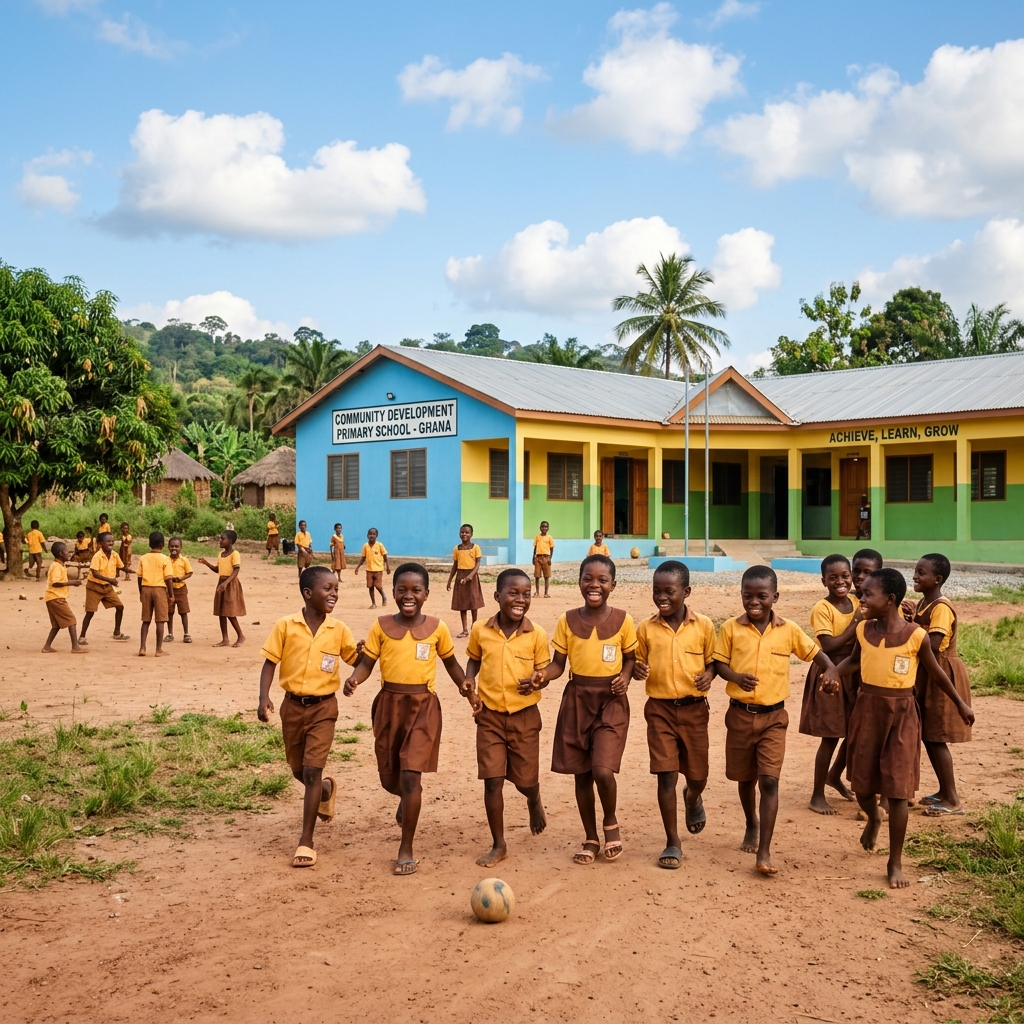
When the World Joy Foundation commenced construction on primary school blocks in Abomosu, the project was never framed as an outside gift. Instead, we sat in extensive dialogue with traditional village councils, local chiefs, parent associations, and district educational officers.
The land was contributed by the village; local craftsmen and masons were compensated fairly to execute the masonry; and elders pledged accountability for maintenance and teacher retention.
“When a village builds their own classrooms with their own hands alongside international partners, the building is not a foreign aid monument—it is their children’s sanctuary.”
Beyond Bricks: Clean Water and Digital Access
A classroom cannot function if students are absent due to waterborne illness. Our projects naturally expanded to encompass clean water boreholes, sanitation blocks, and, more recently through the Help Start Foundation, solar-backed computer laboratories.
By connecting local students to BYU-Pathway Worldwide and global digital curriculums, we bridge the gap between a remote village in Ghana and university accreditation thousands of miles away.
Core Takeaways for International Non-Profit Leaders
- Listen before designing: Never assume you understand a community's highest priority without structured local consultation.
- Invest in human capacity: Construction is 30% of the battle; training teachers, establishing maintenance funds, and parent involvement is the other 70%.
- Bridge cultures transparently: International donors require verifiable data and clear fiscal stewardship; local partners require dignity, respect, and long-term commitment.
As we look toward the next decade of initiatives across West Africa, our mission remains steadfast: empower self-reliance so that every child has access to the dignity of education, right at home.